Published on 3 November 2023 in Client Alerts
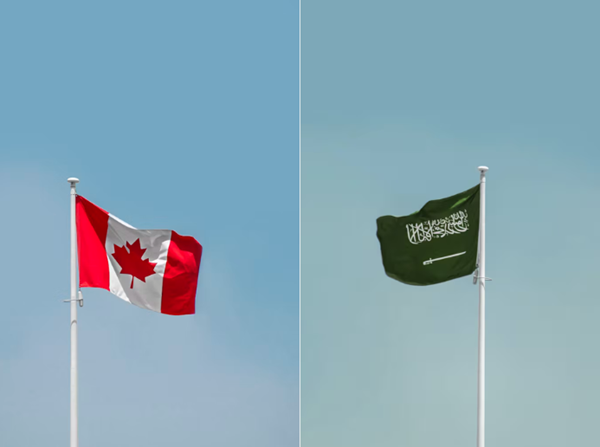
The Times article, entitled “Diplomats have immunity for a reason”, examines the recent split decision in the UK Supreme Court case of Basfar v Wong. The case has raised eyebrows in foreign ministries around the world. The prevailing view is that the decision has placed the UK in the unenviable position of being an outlier in its interpretation and application of State and diplomatic immunity. This in turn raises personal risks for UK diplomats overseas and threatens to hamper UK diplomatic activities.
It is a fundamental rule of international law that diplomats posted overseas are granted immunity from most of the host State’s domestic laws. This is a mutual, reciprocal obligation of States under international law. This immunity extends to the personal household of the diplomat within the host State. Such diplomatic immunities provide the vital stability that diplomatic missions need in order to function without interference from the host State (including the host State’s courts). Only through narrowly defined exceptions can diplomats be subject to litigation in a domestic court of a host State (one of which relates to personal commercial activity undertaken by a diplomat).
In Basfar, the UK Supreme Court considered a claim made in relation to the conditions of employment of a diplomat’s domestic staff. The staff had been brought to the UK as part of the diplomat’s personal household. The court decided that the alleged employment conditions of one member of the domestic staff — which were legal in the state of origin —transformed this otherwise immune diplomatic activity into not-immune commercial activity. This novel and highly creative approach taken by the Court does not reflect international law and practice.
The article considers the practical implications of Basfar within the wider context of international relations, as well as UK domestic litigation. The article predicts that foreign diplomats situated in London will now face increasing risk of litigation before the UK courts and a narrowing of the traditional scope of their immunity in ways that they would not in other countries. Given that State and diplomatic immunity are reciprocal, the Basfar judgment may well cause other States to reconsider the scope of protections that they will give to UK diplomats and diplomatic activities overseas.
The article is available to read in The Times.
For more information, contact robert.volterra@volterrafietta.com and jehad.mustafa@volterrafietta.com.
We are excited to share the first instalment of the “Volterra Fietta PIL commentaries” podcast series. In each podcast, a Volterra Fietta partner will explain an international legal issue in an easily-digestible, bite-size segment. The series will support informed decision-making, risk assessment and strategic planning for those acting for, against or with States. The opening instalment
Learn more
Over the past year, Volterra Fietta was hired by clients in multiple new, complex and ground-breaking disputes before international and domestic courts and tribunals. For those new cases which involve a precise damages figure (for example, not counting boundary disputes at the International Court of Justice), the combined total claim value exceeds USD 40,000,000,000 (forty
Learn more
Volterra Fietta is pleased to announce the launch of “Volterra Fietta PIL commentaries” a new monthly commentary series by the partners of the firm, beginning Monday, 26 January. The series will present perspectives of seasoned public international law professionals with unique practical experience advising and representing clients. The partners will address selected concepts, principles, and
Learn more
These include: In addition, Volterra Fietta has once again been ranked Band A/Tier 1 for Public International Law by both Chambers & Partners and the Legal 500. Robert Volterra’s practice, including at Volterra Fietta, has maintained these top rankings for almost 30 years. Volterra Fietta has also been highly ranked for International Arbitration by both
Learn more