
Published on 26 January 2026 in Client Alerts

We are excited to share the first instalment of the “Volterra Fietta PIL commentaries” podcast series

We are excited to share the first instalment of the “Volterra Fietta PIL commentaries” podcast series.  In each podcast, a Volterra Fietta partner will explain an international legal issue in an easily-digestible, bite-size segment.  The series will support informed decision-making, risk assessment and strategic planning for those acting for, against or with States.

The opening instalment explores the foundations of public international law and its vital role in addressing today’s pressing global challenges.  The podcast is just over three minutes long.

This commentary is authored by Robert G Volterra, founding partner of Volterra Fietta and visiting professor at University College London.  Robert is recognised globally as a leading expert in public international law.  Legal directories like Chambers and Partners and Legal 500 have ranked him for 30 years in the top tier of public international law specialists, describing him as “probably the best public international lawyer on the planet”.  He has over three decades of practical experience advising governments, multinational corporations, and international organizations around the world on complex issues of international law and representing them in bet-the-country/company international disputes.

Public international law governs relationships between States (and between States and international organisations).  It plays a critical role in resolving major global disputes.  Its dispute resolution mechanisms are often available to governments and private actors to resolve their trade and investment disputes.

Volterra Fietta PIL commentaries will be published on a monthly basis via the firm’s LinkedIn page.  Click here and follow us to catch the newest editions on time
https://www.linkedin.com/feed/update/urn:li:activity:7421587913110396928

“Volterra Fietta partners are recognised globally as thought-leaders in the practice of public international law and dispute resolution.”

For further information, please contact info@volterrafietta.com.

More Client Alerts

| Client Alerts

International Court of Justice decides that Myanmar committed genocide

On 19 November 2026, the International Court of Justice (the “ICJ”) delivered its judgment in Application of the Convention on the Prevention and Punishment of the Crime of Genocide (The Gambia v Myanmar: 11 States intervening).  

Learn more
| Client Alerts

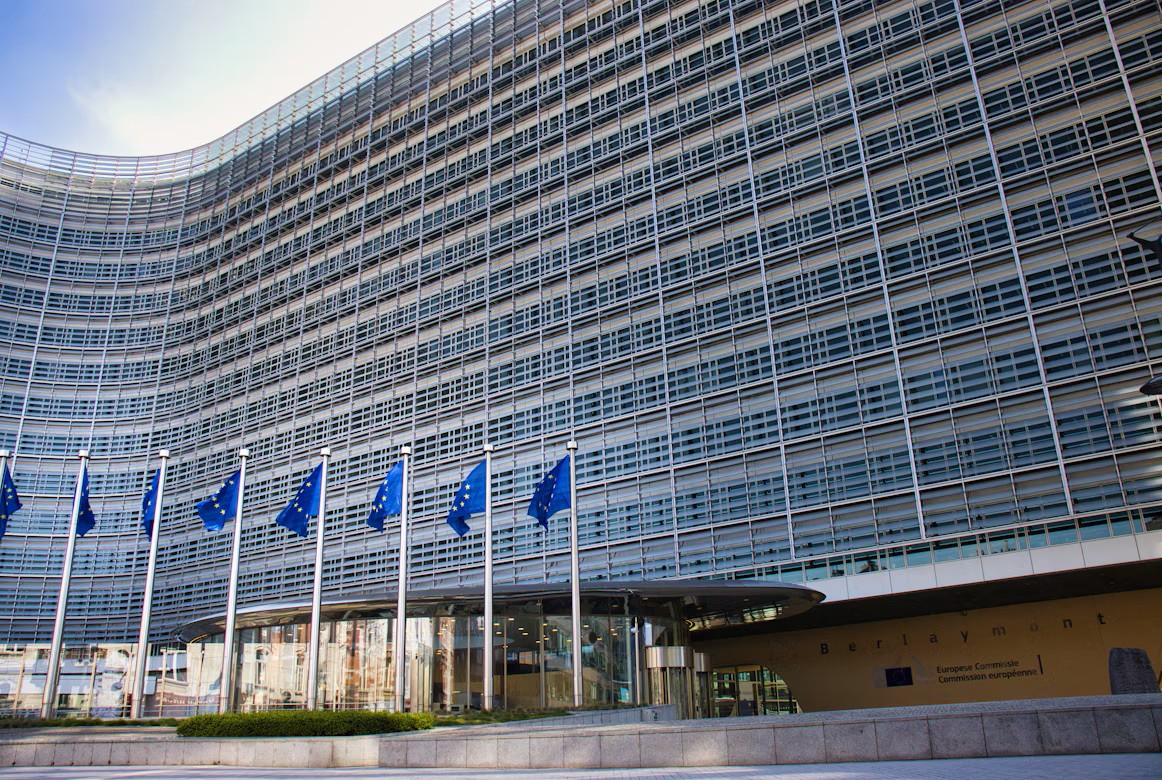
Payments to Non-Sanctioned Entities May Constitute Indirect Provision of Funds to Sanctioned Parties: EU Court Clarifies Applicable Criteria

In a preliminary ruling requested by France’s Cour de Cassation, the Court of Justice of the European Union (CJEU) concluded that a payment (from a Norwegian company) to a non-sanctioned Yemeni state-owned company, pursuant to an arbitral award, could materially result in an indirect provision of funds to sanctioned parties, prohibited under EU sanctions regulation, provided that it is established that the latter are in a position “actually to obtain those funds”[1]

Learn more

| Client Alerts

Argentina seeks provisional measures before ITLOS in dispute over drilling near the Falkland Islands (Malvinas)

The Argentine Republic has brought proceedings against the United Kingdom (“UK”) under the United Nations Convention on the Law of the Sea (“UNCLOS”) concerning the authorisation of hydrocarbon activities in maritime areas near the Falkland Islands (Malvinas).

Learn more
| Client Alerts

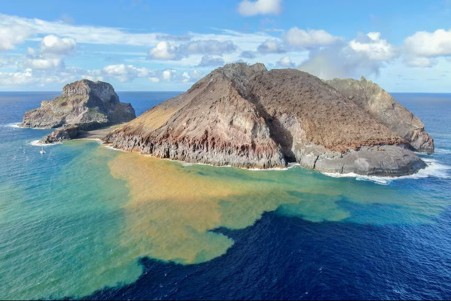
Vanuatu seeks ICJ determination of sovereignty dispute and initiates separate UNCLOS arbitration against France

On 31 August 2026, the Republic of Vanuatu filed an Application instituting proceedings against the French Republic before the International Court of Justice (“ICJ” or the “Court”), requesting that the Court affirm Vanuatu’s sovereignty over two uninhabited volcanic islands in the South Pacific, Matthew (Umaenupne) and Hunter (Umaeneg/Leka), and establish a single maritime boundary between the exclusive economic zones and continental shelves of Vanuatu and France (with respect to New Caledonia).

Learn more
View all