On Thursday 8 June, Volterra Fietta hosted its third and final Energy Breakfast Seminar in its London offices. The seminar, held under Chatham House rules, was entitled “Energy transmission facilities: how have past disputes been resolved and how can future disputes be avoided?”. Two highly distinguished guest speakers, Mr Tim Martin (international counsel, expert and arbitrator and former President of the Association of International Petroleum Negotiators) and Dr Danae Azaria (University College London), were invited to speak on the topic. Partner Robert Volterra chaired the seminar with partner Graham Coop, former General Counsel to the Energy Charter Secretariat, acting as commentator.
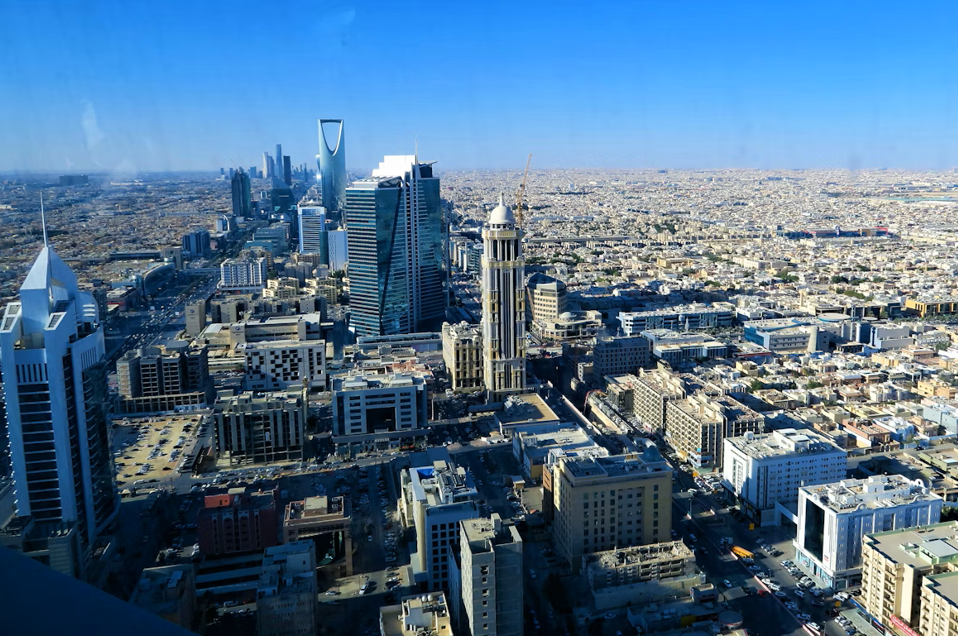
Mr Martin mostly focused on oil and gas arbitrations in North Africa and the Middle East. He provided an overview of the most relevant arbitral awards in the region and argued that the unfavourable results for States of the Gulf region in those cases had had a largely negative impact on the perception of international arbitration as a dispute resolution mechanism in the area. Mr Martin also set out the basic principles of Shari’ah law and explained that many arbitral tribunals have been reluctant to apply it even if it is the applicable law as established by the relevant instrument in a particular case.
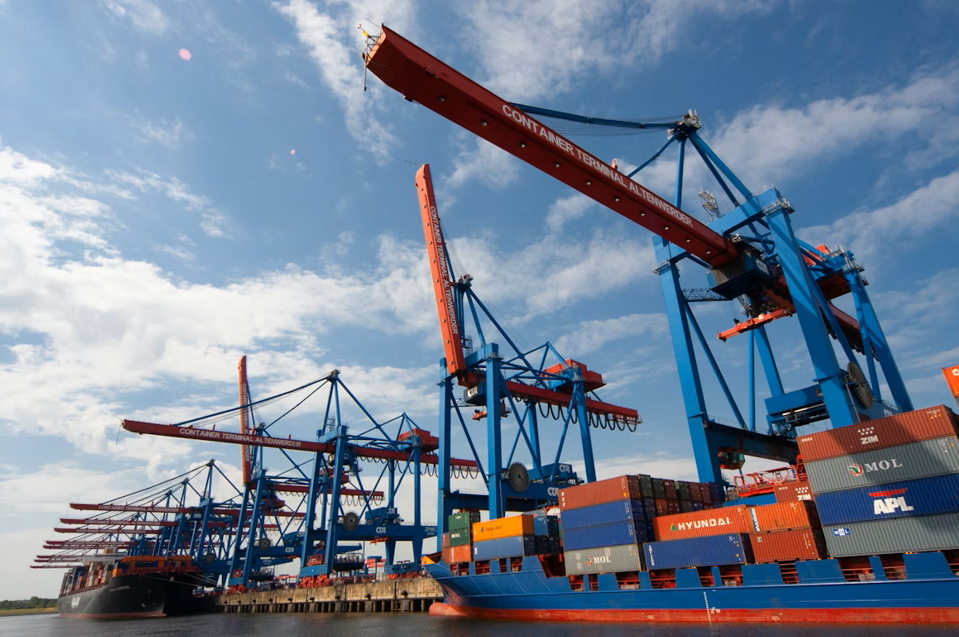
Dr Azaria began her intervention by setting out the two questions that she would be focusing on. First, how do States try to secure supply of energy? Second, what types of dispute resolution mechanisms are available if supply is interrupted? In response to the first question, Dr Azaria set out the general framework of the Energy Charter Treaty, the General Agreement on Tariffs and Trade and mentioned several examples of bespoke pipeline treaties which deal with this issue. In response to the second question, Dr Azaria examined the dispute resolution clauses of the relevant treaties and discussed the advantages and limitations of each proposed mechanism. In particular, Dr Azaria addressed the need for urgency in relation to energy crises which may not be well-served by the existing legal procedures.
With regards to Mr Martin’s presentation, Mr Coop noted that, having examined the arbitral awards which caused disenchantment with arbitration in the Gulf region, applying Shari’ah law to those cases might not have resulted in very different outcomes. In relation to Dr Azaria’s intervention, Mr Coop focused on the interpretation of Article 7 of the Energy Charter Treaty and shared some insights as to why several deliberate diplomatic ambiguities were incorporated when drafting this particular provision. Further, agreeing with Dr Azaria in relation to the reality of urgent energy crises, Mr Coop referred to a proposed fast-track arbitration protocol which had been discussed by Energy Charter Treaty member States.
The Firm is pleased to say that, for the third time, its objective of bringing together an intimate group of hand-picked energy experts in order to encourage a sincere and open discussion was a complete success. The seminar was attended by academics, practitioners, diplomats and company directors, among others.
Volterra Fietta would like to thank all the external speakers and participants in the three Energy Breakfast Seminars for their insights, interest and for contributing to the success of these series of seminars. Given the level of interest in the Energy Breakfast Seminars, the Firm plans to repeat this initiative in the near future. The Firm also offers its congratulations to Dr Azaria on winning the 2017 Paul Guggenheim Prize in International Law for her treatise entitled Treaties on Transit of Energy via Pipelines and Countermeasures.