More Client Alerts
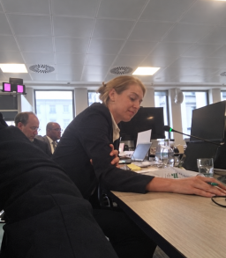
Florentine Vos, Volterra Fietta counsel, advocates for the Republic of Croatia at recent ICSID hearing
Volterra Fietta’s intensive hearing schedule for 2026 has continued apace. In July 2026, a team from the firm, led by Robert Volterra, Ahmed Abdel-Hakam and Florentine Vos, represented the Republic of Croatia at a hearing in the Addiko Bank AG and Addiko Bank d.d. v Republic of Croatia (ICSID Case No ARB/17/37).
Learn more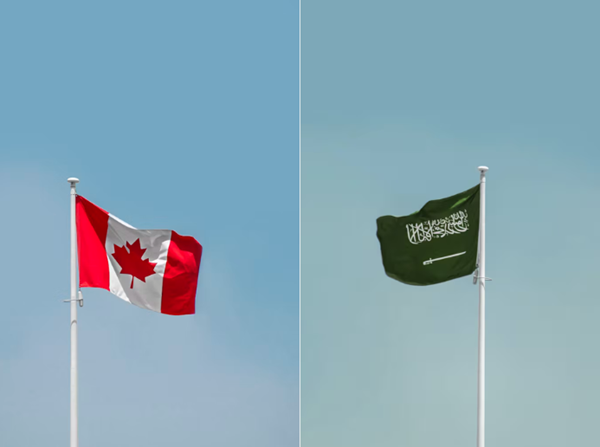
Canada and Saudi Arabia Signed MoUs to Deepen Bilateral Relationship
From 8 to 10 July 2026, Canadian Prime Minister Mark Carney and Saudi Crown Prince and Prime Minister Mohammed bin Salman bin Abdulaziz Al Saud met in Jeddah to discuss bilateral relations and regional developments. The visit yielded the signing of 13 new Memorandum of Understandings (MOUs) and commercial agreements across trade, investment, energy, mining and natural resources, technology, education, health, people-to-people ties, and defence.
Learn more
United Kingdom and Switzerland conclude negotiations on an enhanced free trade agreement
On 13 July 2026, the United Kingdom and the Swiss Confederation announced the conclusion of negotiations on an enhanced free trade agreement (“FTA”). This followed ten rounds of negotiations to modernise the two States’ bilateral framework which were launched in 2023. The Parties have indicated that they anticipate the final technical edits to be finalised
Learn more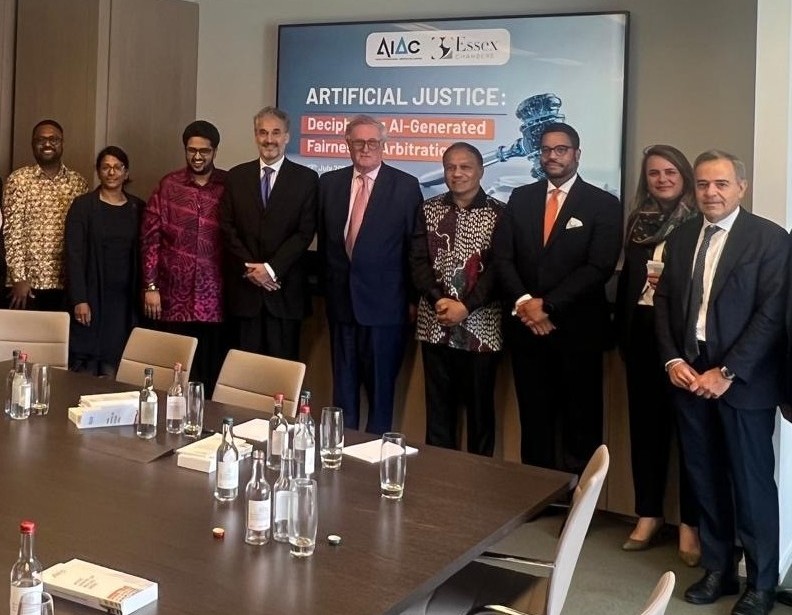
Robert G Voltera Speaks at Asia International Arbitration Centre London Roundtable
On 17 July 2026, Volterra Fietta partner Robert G Volterra spoke at the Asia International Arbitration Centre London Roundtable on “Artificial Justice: Deciphering AI-Generated Fairness in Arbitration”. Robert discussed the growing use of AI in legal practice and dispute resolution, focusing on the limits of current AI tools and the risks associated with their use.
Learn more