More Client Alerts

The Kingdom of Saudi Arabia approves regulatory frameworks for its Special Economic Zones
The Saudi Council’s ministerial Resolution No. 468, published in the Official Gazette on 16 January 2026, approves the governance regulations for each of the Special Economic Zones (“SEZs”), the King Abdullah Economic City SEZ, Ras Al Khair SEZ, Jazan SEZ and Cloud Computing SEZ, originally launched on 13 April 2023.
Learn more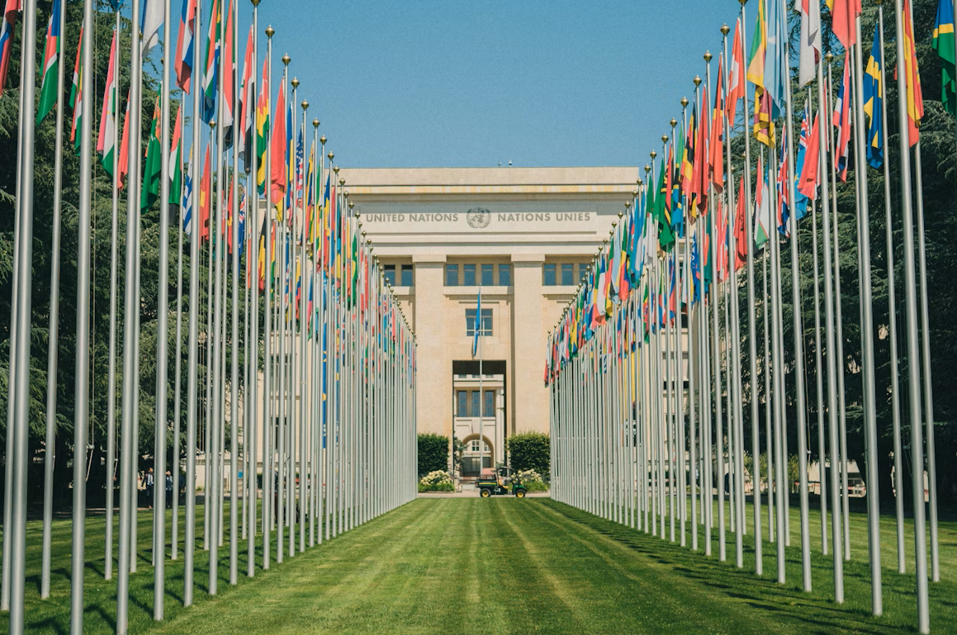
UN General assembly adopts resolution to improve coordination against Human Trafficking
On 18 December 2025, the United Nations General Assembly adopted a resolution aimed at improving international coordination in efforts to combat trafficking in persons, reaffirming the need for a comprehensive and cooperative global response to one of the most pervasive forms of transnational organised crime.
Learn more
India and EU sign an FTA labelled “the mother of all deals”
On 27 January 2026, India and the European Union (the “EU”) signed a free trade agreement (“FTA”), after over two decades worth of negotiations. The FTA, called by some as the “mother of all deals”, is the largest deal ever signed by these two parties. The FTA is expected to cover a market of over USD 24 trillion and aims to save over €4 billion per year in duties on European products.
Learn more
United States withdraws from WHO and dozens of international organisations
In January 2026, the United States formally completed its withdrawal from the World Health Organization (“WHO”) and announced its intention to withdraw from 66 total international organisations and multilateral bodies, including numerous United Nations-affiliated entities. The decision follows a broader governmental review assessing participation in international institutions against perceived U.S. national interests.
Learn more