Published on 20 June 2025 in Client Alerts
In April 2025, after nearly 10 years of negotiations, the International Maritime Organization (the “IMO”) approved new net-zero regulations for global shipping.
Approved through the IMO’s Marine Environment Protection Committee (“MEPC”), the new draft regulations aim to reduce greenhouse gas emissions from ships globally, aiming to reach net-zero emissions by 2050. In addition, they aim to:
The measures will be mandatory for large ocean-going ships over 5,000gt, responsible for 85% of CO2 emissions from international shipping. International shipping accounts for an estimated 3% of global greenhouse gas emissions.
The new draft regulations will be included as amendments to the existing Annex VI (Prevention of air pollution from ships) of the International Convention for the Prevention of Pollution from Ships (“MARPOL”). There are currently 108 parties to the MARPOL Annex VI. Membership covers virtually all (97%) of the world’s merchant shipping fleet by tonnage.
Under the new draft amendments, firstly, ships must comply with a ‘global fuel standard’, requiring ships to reduce their annual greenhouse gas fuel intensity (i.e., greenhouse gas emissions for each unit of energy used) over time. Secondly, ships must comply with a ‘global economic measure’, requiring ships that exceed the annual greenhouse gas fuel intensity thresholds to acquire remedial units to balance deficit emissions. The emissions can be balanced by transferring surplus units from other ships, using surplus units they have banked or using remedial units acquired through contributions to the IMO Net-Zero Fund. Ships using zero or near-zero technologies will also be eligible for financial rewards. The IMO Net-Zero Fund will be established to collect pricing contributions and disburse the revenue towards a number of key initiatives. These include measures to reward low emission ships; support innovation, research, infrastructure and just transition initiatives in developing countries; fund training, technology transfer and capacity building relating to the IMO’s greenhouse gas strategy; and mitigate negative impacts on vulnerable States, including Small Island Developing States and Least Developed Countries.
Following their approval in April 2025, the draft measures are now set to be formally adopted at a forthcoming extraordinary session of the IMO’s MEPC in October 2025. They are expected to enter into force in 2027, 16 months after their adoption.
Volterra Fietta is at the forefront of issues related to climate change. Recent highlights of the firm’s work include representing Barbados before the International Court of Justice and the Inter-American Court of Human Rights in advisory proceedings on the obligations of States in respect of climate change.
For further information, please contact info@volterrafietta.com.
Volterra Fietta’s intensive hearing schedule for 2026 has continued apace. In July 2026, a team from the firm, led by Robert Volterra, Ahmed Abdel-Hakam and Florentine Vos, represented the Republic of Croatia at a hearing in the Addiko Bank AG and Addiko Bank d.d. v Republic of Croatia (ICSID Case No ARB/17/37).
Learn more

From 8 to 10 July 2026, Canadian Prime Minister Mark Carney and Saudi Crown Prince and Prime Minister Mohammed bin Salman bin Abdulaziz Al Saud met in Jeddah to discuss bilateral relations and regional developments. The visit yielded the signing of 13 new Memorandum of Understandings (MOUs) and commercial agreements across trade, investment, energy, mining and natural resources, technology, education, health, people-to-people ties, and defence.
Learn more
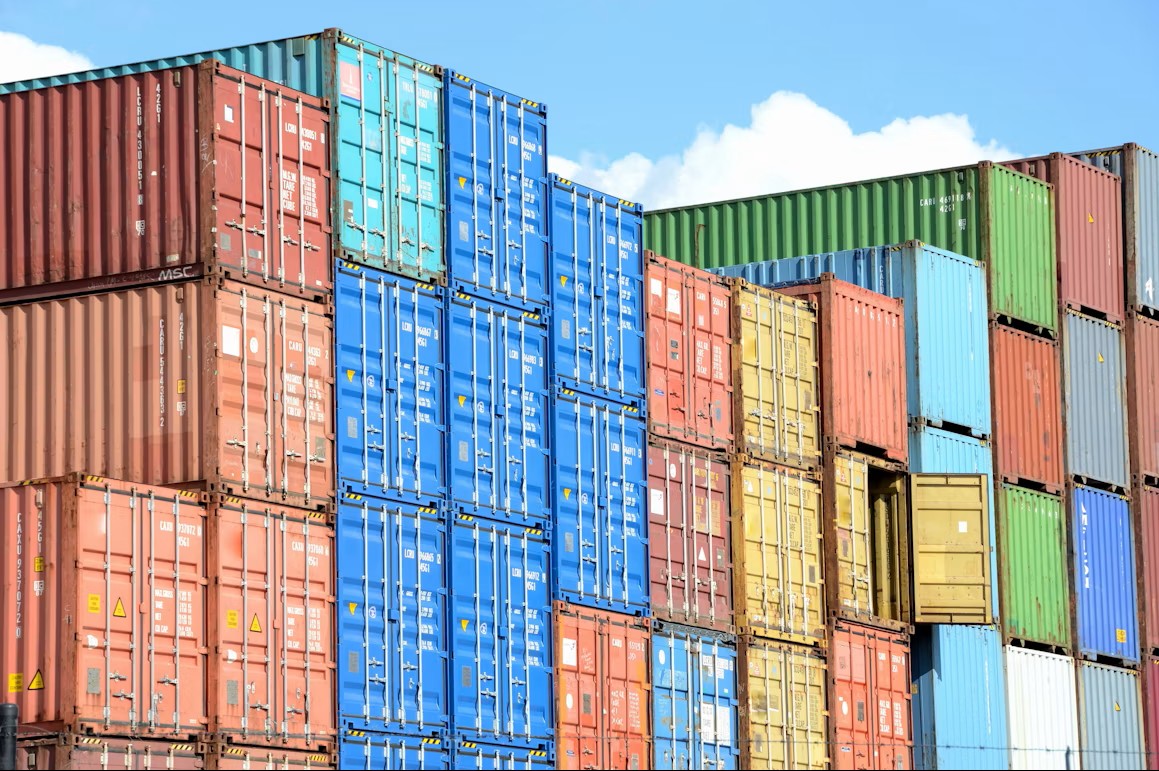
On 13 July 2026, the United Kingdom and the Swiss Confederation announced the conclusion of negotiations on an enhanced free trade agreement (“FTA”). This followed ten rounds of negotiations to modernise the two States’ bilateral framework which were launched in 2023. The Parties have indicated that they anticipate the final technical edits to be finalised
Learn more
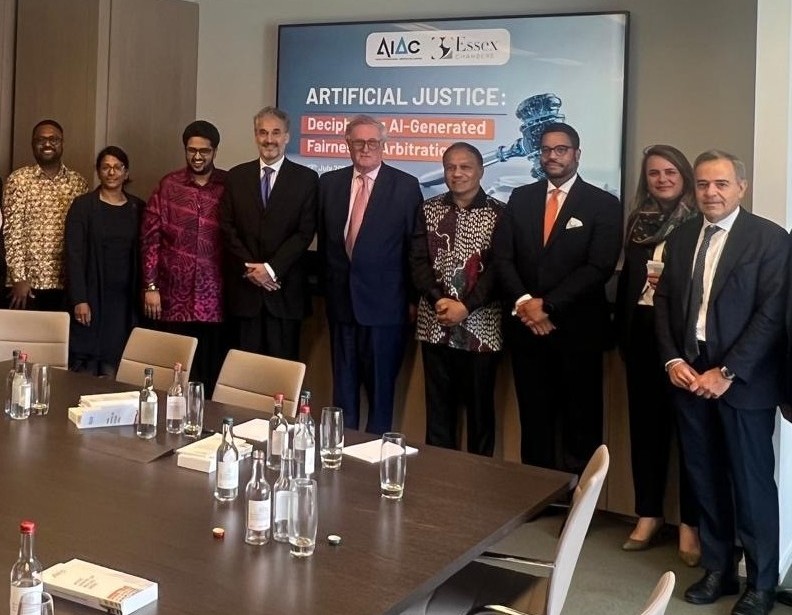
On 17 July 2026, Volterra Fietta partner Robert G Volterra spoke at the Asia International Arbitration Centre London Roundtable on “Artificial Justice: Deciphering AI-Generated Fairness in Arbitration”. Robert discussed the growing use of AI in legal practice and dispute resolution, focusing on the limits of current AI tools and the risks associated with their use.
Learn more