Published on 15 April 2025 in Client Alerts
Ahmed Abdel Hakam speaks on panel with the Secretary General of the Arbitration Centre of the Organisation of the Islamic Conference (“OIC”) during Paris Arbitration Week 2025
On 11 April 2025, Volterra Fietta Partner Ahmed Abdel Hakam spoke at a seminar hosted by the Organisation of Islamic Cooperation Arbitration Centre (“OIC”) during Paris Arbitration Week 2025. The topic of the seminar was “Bridging the Gap: Streamlining Dispute Resolution for Investment and Trade in the OIC Member States”. The panel included Dr Umar Oseni, the Secretary General of the OIC Arbitration Centre and Ahmed Abdel Hakam.

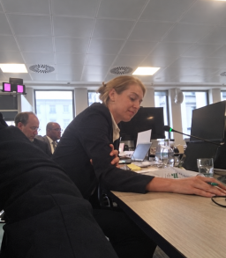
Photo: Dr Umar Oseni (left) and Ahmed Abdel Hakam (right)
Dr Umar Oseni gave an overview of the OIC’s efforts to modernise its Agreement on Promotion, Protection and Guarantee of Investments (“OIC Investment Agreement”). He also described the activities of the OIC’s Arbitration Centre, which is based in Istanbul, Türkiye.
Ahmed Abdel Hakam shared practical insights from his experience as an advocate in a number of investor-State arbitrations that have been brought under Article 17 of the OIC Investment Agreement. He explained the legal issues which arise from the interpretation of Article 17. These include the existence (or lack thereof) of State consent to arbitration and related procedural issues, such as seeking the appointment of an arbitrator via an appointing authority not provided under the OIC Investment Agreement.

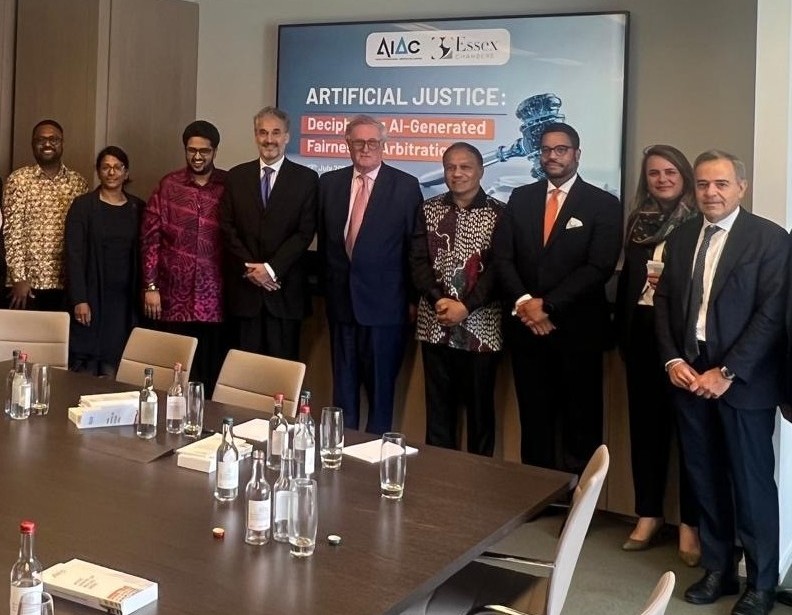
Photo: Ahmed Abdel Hakam (third from right) speaking at Paris Arbitration Week 2025
Ahmed shared with the audience his experiences advising and representing both multinational companies and States for more than two decades, in investment treaty arbitrations under Bilateral Investment Treaties and Multilateral Investment Treaties such as the OIC Investment Agreement. Ahmed currently sits on the Dispute Resolution Committee of the Law Society of England & Wales and is a member of the International Law Committee of the New York City Bar Association. He is Co-Chair of the Dispute Resolution Section of the African Society of International Law. He is currently advising and representing investors and States in relation to investment disputes involving Europe, the Americas, Asia and Africa.
For further information, please contact info@volterrafietta.com.