Published on 6 September 2025 in Client Alerts
In late July 2025, a five-day armed conflict between the Kingdom of Cambodia and the Kingdom of Thailand saw a reported 300,000 people displaced, as well as dozens of casualties. The century-old border dispute has its roots in the colonial-era drawing of boundaries, pursuant to Franco-Siamese treaties signed in the early twentieth century between the then-Kingdom of Siam and French Indochina.
The recent outbreak of fighting between the countries was the deadliest in decades. Its immediate catalyst was the exchange of fire between Cambodian and Thai forces on 24 July 2025 near a temple claimed by both countries. Accounts of by whom and how first shots were fired are contested between the countries.
By the time that a ceasefire was brokered in Malaysia, on 28 July 2025, both Cambodia and Thailand had deployed significant military resources and weaponry. This included Russian BMP-3 infantry fighting vehicles on Cambodia’s part, and, on Thailand’s, F-16 fighter jets, drones, Stryker infantry carriers and Swedish-made Gripen aircraft. Both sides have accused the other of violating international law, including allegations by Cambodia that Thailand deployed banned cluster munitions and white phosphorous, as well as allegations by Thailand that Cambodia fired into civilian areas, used civilians as human shields and deployed landmines in breach of the Ottawa Convention.
Previously, Cambodia initiated proceedings in 1959 against Thailand at the International Court of Justice, claiming that Thailand had wrongfully occupied Cambodian territory surrounding the Temple of Preah Vihear, a site of religious significance for its people. The Court’s judgment in 1962 found in favour of Cambodia. In 2013, the Court issued a further interpretative judgment at Cambodia’s request, clarifying that its original judgment required Thailand to withdraw its police and military from the whole territory of the Preah Vihear promontory. The Court’s judgments have never been accepted by Thailand. The recent ceasefire on 28 July 2025 was brokered by Prime Minister Anwar Ibrahim of Malaysia, who chaired ceasefire negotiations in Kuala Lumpur in his capacity as head of ASEAN. The ceasefire meeting was co-organised by the United States. On announcing the ceasefire, the Governments of Cambodia and Thailand thanked Prime Minister Anwar, US President Donald Trump and the Chinese Government for their active support.
For further information, please contact info@volterrafietta.com.
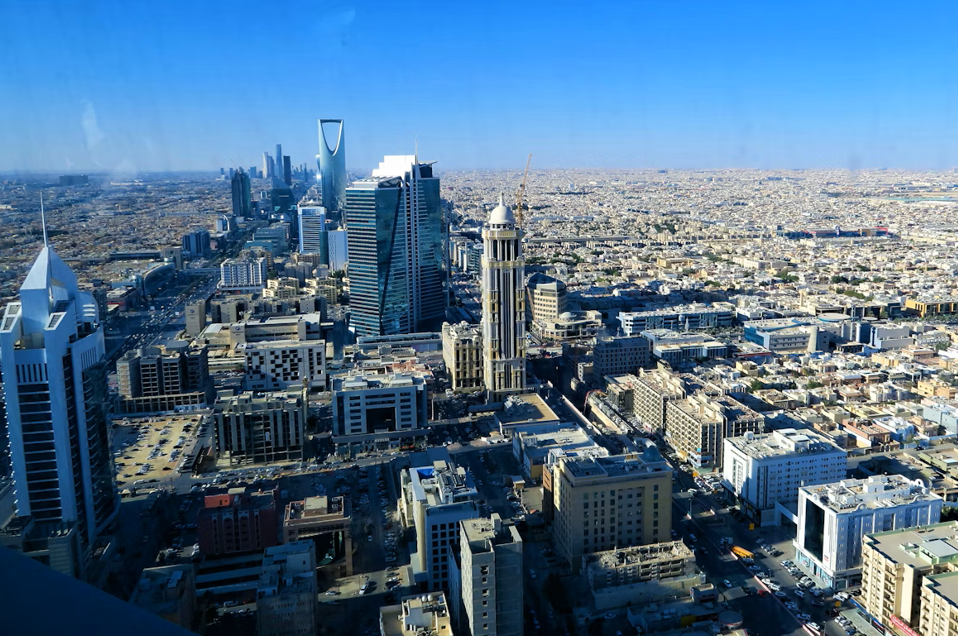
The Saudi Council’s ministerial Resolution No. 468, published in the Official Gazette on 16 January 2026, approves the governance regulations for each of the Special Economic Zones (“SEZs”), the King Abdullah Economic City SEZ, Ras Al Khair SEZ, Jazan SEZ and Cloud Computing SEZ, originally launched on 13 April 2023.
Learn more
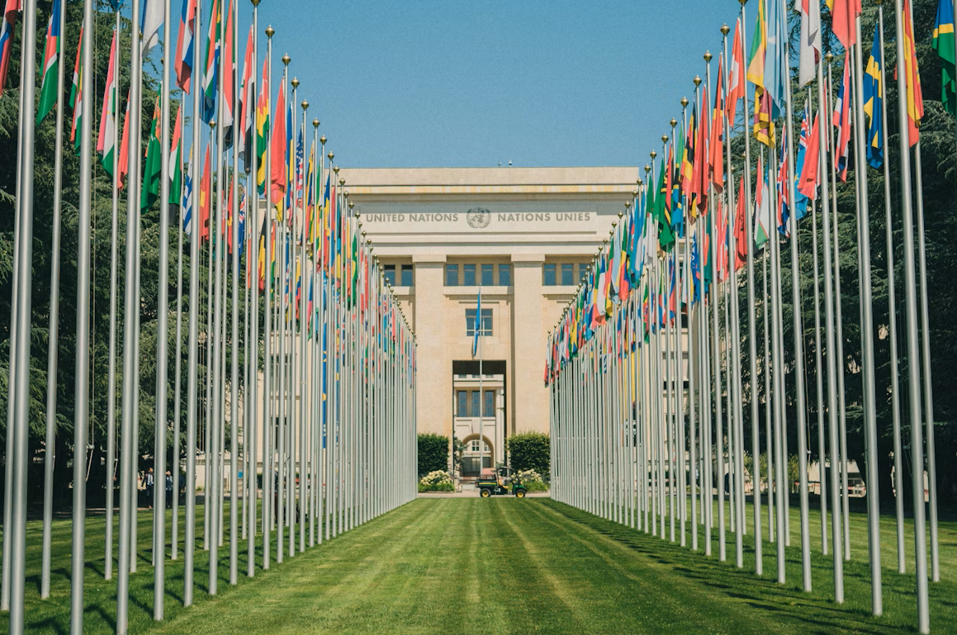
On 18 December 2025, the United Nations General Assembly adopted a resolution aimed at improving international coordination in efforts to combat trafficking in persons, reaffirming the need for a comprehensive and cooperative global response to one of the most pervasive forms of transnational organised crime.
Learn more
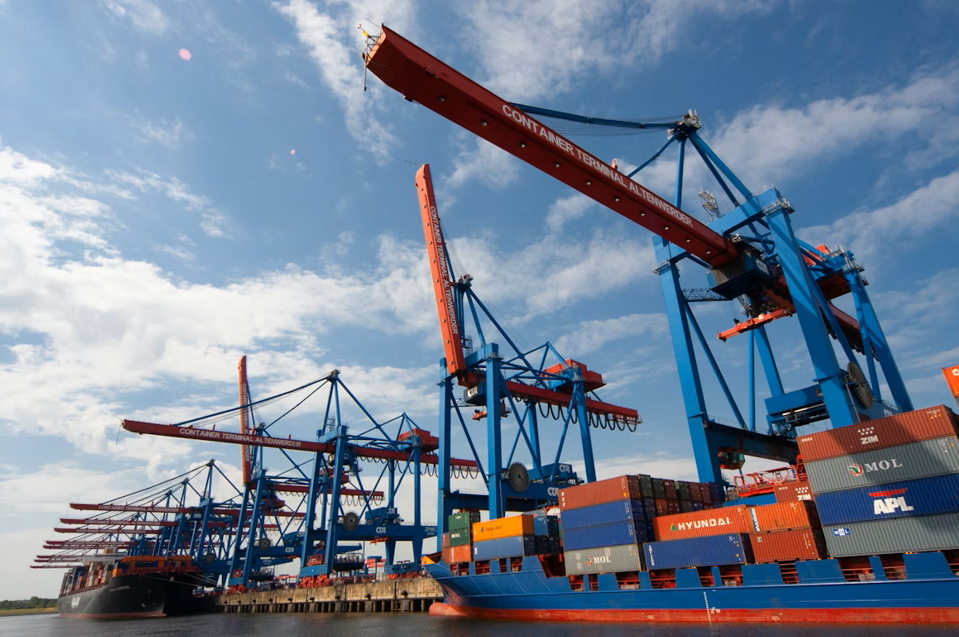
On 27 January 2026, India and the European Union (the “EU”) signed a free trade agreement (“FTA”), after over two decades worth of negotiations. The FTA, called by some as the “mother of all deals”, is the largest deal ever signed by these two parties. The FTA is expected to cover a market of over USD 24 trillion and aims to save over €4 billion per year in duties on European products.
Learn more
In January 2026, the United States formally completed its withdrawal from the World Health Organization (“WHO”) and announced its intention to withdraw from 66 total international organisations and multilateral bodies, including numerous United Nations-affiliated entities. The decision follows a broader governmental review assessing participation in international institutions against perceived U.S. national interests.
Learn more