Published on 15 September 2026 in Client Alerts

Two Critical Chokepoints and Their Lessons for Global Energy Markets

The Strait of Hormuz and the Bab al-Mandeb are two of the world’s most critical maritime chokepoints.  From October 2023, the Houthi movement launched a sustained campaign of drone and missile strikes against commercial vessels transiting the Bab al-Mandeb, the narrow strait connecting the Red Sea to the Gulf of Aden.  This prompted major shipping lines to reroute via the Cape of Good Hope and leading to the establishment of Operation Prosperity Guardian by the United States in January 2024.  The events in the Bab al-Mandeb offer a critical lens through which to assess the current situation now unfolding in the Strait of Hormuz.

The Houthi campaign had extensive international consequences, including:

While the Bab al-Mandeb demonstrated the vulnerability of critical maritime chokepoints to sustained attack, the situation in the Strait of Hormuz presents a significantly more serious danger for global energy markets:

The Strait of Hormuz is one of the world’s most critical maritime chokepoints, through which approximately 20% of global oil supply transits daily.  In March 2026, Iran announced that vessels would be required to pay for safe passage through the Strait to avoid sea mines previously planted and confrontations with Iranian military vessels.  To implement this, Iran established the Persian Gulf Strait Authority (PGSA) in May 2026 as its official governmental body for issuing transit permits, with the Islamic Revolutionary Guards Corps Navy (IRGCN) providing military enforcement capacity. Iran’s attempted toll system directly violates the right of innocent passage under public international law and enshrined in the 1982 United Nations Convention on the law of the Sea (UNCLOS).  Under Article 26 of UNCLOS, no charge may be levied upon foreign ships by reason only of their passage through the territorial sea.  The PGSA’s system is inconsistent with UNCLOS and presents a direct threat to the freedom of navigation rights upon which the entire international community relies.

For further information, please contact info@volterrafietta.com.

More Client Alerts

| Client Alerts

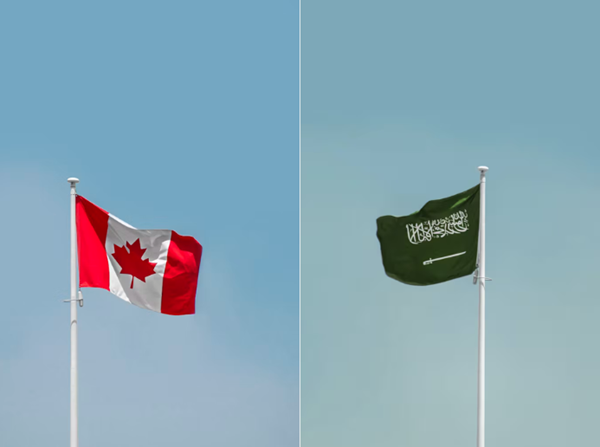
Canada and Saudi Arabia Signed MoUs to Deepen Bilateral Relationship

From 8 to 10 July 2026, Canadian Prime Minister Mark Carney and Saudi Crown Prince and Prime Minister Mohammed bin Salman bin Abdulaziz Al Saud met in Jeddah to discuss bilateral relations and regional developments. The visit yielded the signing of 13 new Memorandum of Understandings (MOUs) and commercial agreements across trade, investment, energy, mining and natural resources, technology, education, health, people-to-people ties, and defence.

Learn more
| Client Alerts

United Kingdom and Switzerland conclude negotiations on an enhanced free trade agreement

On 13 July 2026, the United Kingdom and the Swiss Confederation announced the conclusion of negotiations on an enhanced free trade agreement (“FTA”). This followed ten rounds of negotiations to modernise the two States’ bilateral framework which were launched in 2023.  The Parties have indicated that they anticipate the final technical edits to be finalised

Learn more
| Client Alerts

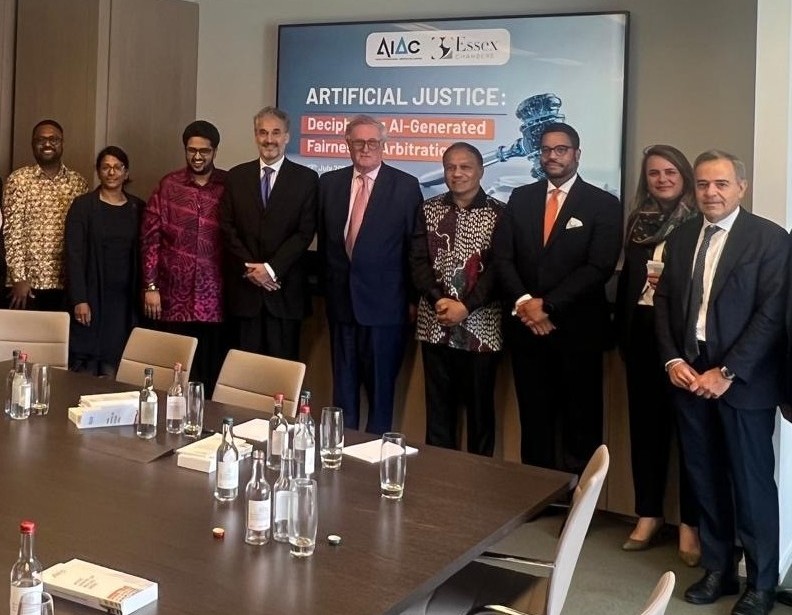
Robert G Voltera Speaks at Asia International Arbitration Centre London Roundtable

On 17 July 2026, Volterra Fietta partner Robert G Volterra spoke at the Asia International Arbitration Centre London Roundtable on “Artificial Justice: Deciphering AI-Generated Fairness in Arbitration”.  Robert discussed the growing use of AI in legal practice and dispute resolution, focusing on the limits of current AI tools and the risks associated with their use.

Learn more
| Client Alerts

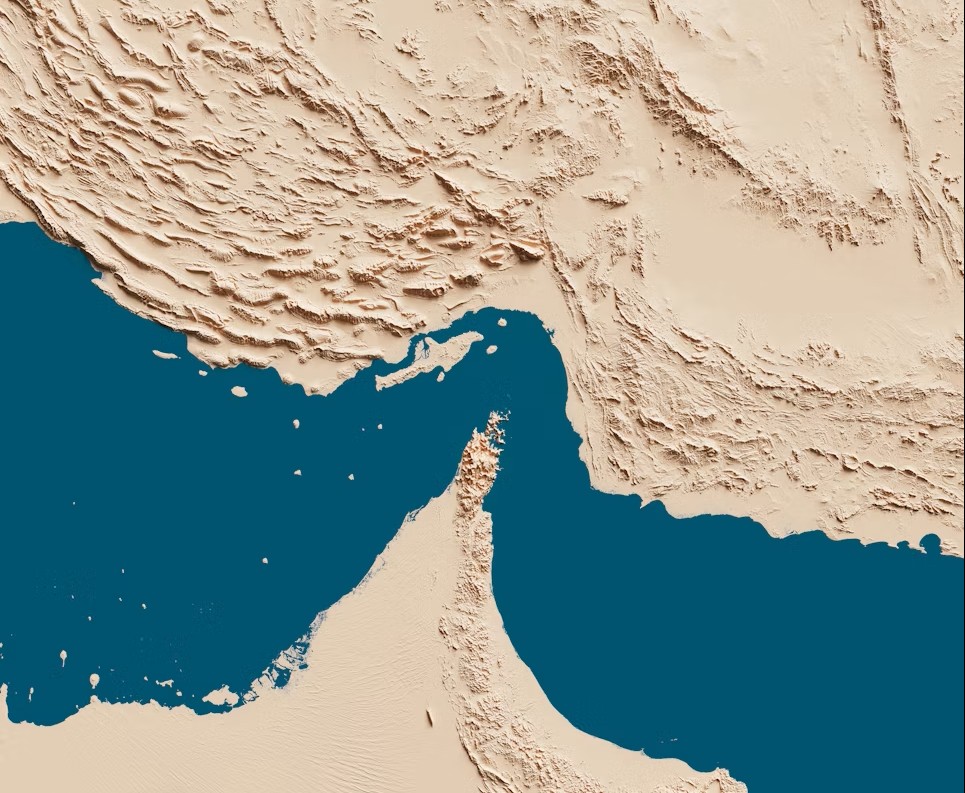
Two Critical Chokepoints and Their Lessons for Global Energy Markets

The Strait of Hormuz and the Bab al-Mandeb are two of the world’s most critical maritime chokepoints.  From October 2023, the Houthi movement launched a sustained campaign of drone and missile strikes against commercial vessels transiting the Bab al-Mandeb, the narrow strait connecting the Red Sea to the Gulf of Aden.  This prompted major shipping

Learn more
View all