
Published on 12 June 2023 in Client Alerts
The CPTPP is a major free trade agreement comprising 11 economies in the Asia-Pacific worth approximately 13 per cent of the global GDP. The CPTPP gives member countries greater access to each other’s markets and reduced trade tariffs on most items – in broad terms, removing some 95 per cent of tariffs between members. As the UK Government has announced, joining the CPTPP will link the UK to one of the world’s most dynamic trading areas at a time when the world economy is increasingly focused on the Asia-Pacific.
The CPTPP’s current signatories comprise Australia, Brunei Darussalam, Canada, Chile, Japan, Malaysia, Mexico, New Zealand, Peru, Singapore, and Vietnam, representing some 500 million consumers. The CPTPP has entered into force for all signatories save for Brunei, which is still undergoing its internal ratification processes. The UK already has bilateral trade agreements with nine of these CPTPP signatories (all except Malaysia and Brunei), although those with Australia and New Zealand are not yet in force.
Under the CPTPP’s investment terms, States that are party to the CPTPP undertake to treat each other’s investors and their investments in accordance with a number of substantive treatment standards. These include the fair and equitable treatment standard and the prohibition on expropriation without compensation. The CPTPP also contains provisions on investor-State arbitration. In the event of an investment dispute, those provisions allow qualifying investors from one CPTPP State party to commence an investor-State arbitration directly against the other CPTPP State party, in which their investment is located.
Upon accession, these benefits will apply reciprocally as between the UK and other CPTPP member States when their respective investors operate in each other’s markets. It should be noted, however, that the UK, Australia and New Zealand have agreed to disapply the CPTPP’s investor-State arbitration provisions as between themselves.
Now that negotiations for the UK to join have substantially concluded, the CPTPP’s Accession Working Group will work with the UK to prepare the legal instrument of accession. Formal signature of that instrument is expected later in 2023, with entry into force then not likely to take effect until 2024.
Looking further ahead, the CPTPP’s members will now also need to consider formal applications to join the CPTPP by five other economies: the People’s Republic of China (16 September 2021); Chinese Taipei (22 September 2021, applying as a separate customs territory); Ecuador (17 December 2021); Costa Rica (10 August 2022); and Uruguay (1 December 2022).
From 8 to 10 July 2026, Canadian Prime Minister Mark Carney and Saudi Crown Prince and Prime Minister Mohammed bin Salman bin Abdulaziz Al Saud met in Jeddah to discuss bilateral relations and regional developments. The visit yielded the signing of 13 new Memorandum of Understandings (MOUs) and commercial agreements across trade, investment, energy, mining and natural resources, technology, education, health, people-to-people ties, and defence.
Learn more
On 13 July 2026, the United Kingdom and the Swiss Confederation announced the conclusion of negotiations on an enhanced free trade agreement (“FTA”). This followed ten rounds of negotiations to modernise the two States’ bilateral framework which were launched in 2023. The Parties have indicated that they anticipate the final technical edits to be finalised
Learn more

On 17 July 2026, Volterra Fietta partner Robert G Volterra spoke at the Asia International Arbitration Centre London Roundtable on “Artificial Justice: Deciphering AI-Generated Fairness in Arbitration”. Robert discussed the growing use of AI in legal practice and dispute resolution, focusing on the limits of current AI tools and the risks associated with their use.
Learn more
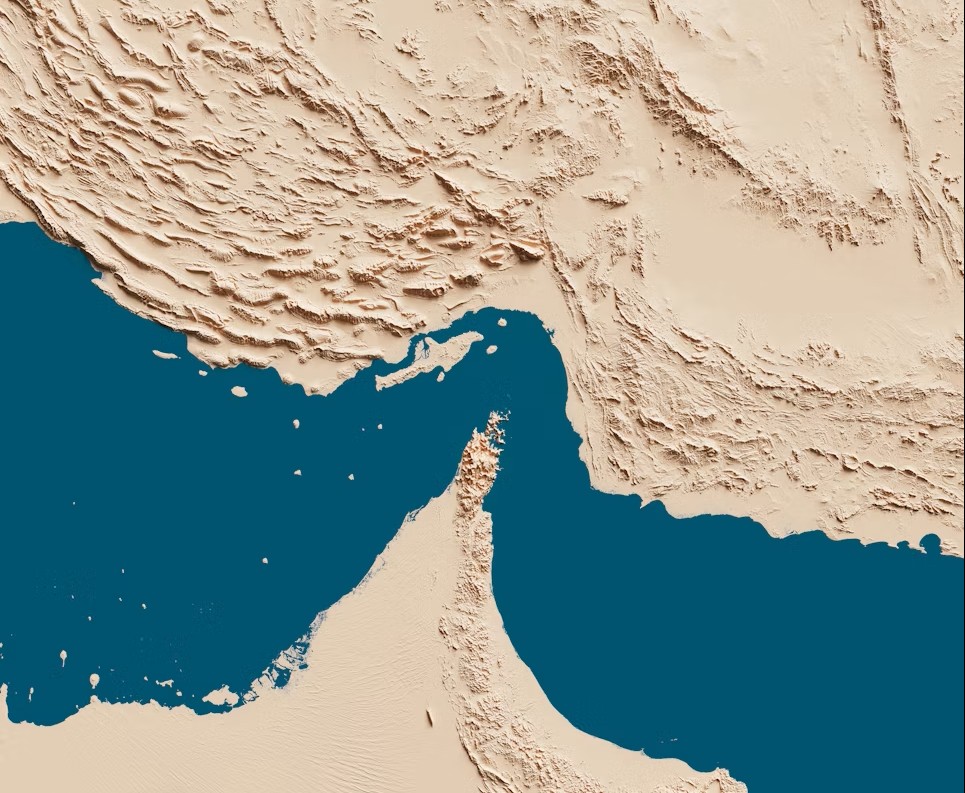
The Strait of Hormuz and the Bab al-Mandeb are two of the world’s most critical maritime chokepoints. From October 2023, the Houthi movement launched a sustained campaign of drone and missile strikes against commercial vessels transiting the Bab al-Mandeb, the narrow strait connecting the Red Sea to the Gulf of Aden. This prompted major shipping
Learn more