
Published on 23 November 2023 in Client Alerts
The ILO’s request aims to resolve a thirty-year treaty-interpretation dispute between the ILO’s Worker’s Group and Employer’s Group sections of its Governing Body.
On 10 November 2023, the Governing Body of the ILO, the ILO’s executive body, authorised the request to the ICJ to issue an advisory opinion on the question, “[i]s the right to strike of workers and their organizations protected by the Freedom of Association and Protection of the Right to Organise Convention, 1948 (No 87) [(the “Convention No 87”)]?”
The ILO Governing Body was convened in a special session to ask the ICJ for this Advisory Opinion. The ILO Governing Body is composed of three constituent groups: the Worker’s Group; the Employer’s Group; and the Government Group.
For thirty years, the Worker’s Group and Employer’s Group have adopted different interpretations of worker’s freedoms to organise and formulate programmes in Articles 3 and 10 of Convention No 87:
The Worker’s Group and Employer’s Group are also divided on the question of whether the Committee of Experts has the power to make binding interpretations of Convention No 87.
The ILO requested the ICJ Advisory Opinion under Article 37(1) of the ILO Constitution, which provides that “[a]ny question or dispute relating to the interpretation of this Constitution or of any subsequent Convention […] shall be referred for decision to the [ICJ]”. Under Article 37(1) of the ILO Convention, ICJ Advisory Opinions relating to international labour conventions arguably do have a binding effect.
Prior to this request, the ILO has made six advisory opinion requests to the predecessor of the ICJ, the Permanent Court of International Justice. Two of the requests were made on the initiative of ILO Member States while the other four were made by the ILO Governing body. Of those advisory opinion requests, only one has previously pertained to an interpretation of an international labour convention, namely the 1919 Night Work (Women) Convention.
The Court will notify States and/or “international organisations considered by the Court as likely to be able to furnish information on the question” to provide written statements. The ILO requested the Court to allow the participation of the following six organisations: (i) International Organisation of Employers; (ii) International Trade Union Confederation; (iii) World Federation of Trade Unions; (iv) International Cooperative Alliance; (v) Organization of African Trade Union Unity; and (vi) Business Africa. Parties will also be given the opportunity to comment on each other’s written statements. The President of the ICJ will fix the relevant time limits. After this written phase, the Court will likely hold a hearing, before ultimately rendering its Advisory Opinion.
Robert Volterra and Volterra Fietta have successfully advised and represented multiple States before the International Court of Justice. This includes in relation to Advisory Opinions. The firm is currently instructed by a number of States in relation to Advisory Opinions before international courts and tribunals.
For further information, please contact info@volterrafietta.com.
The Saudi Council’s ministerial Resolution No. 468, published in the Official Gazette on 16 January 2026, approves the governance regulations for each of the Special Economic Zones (“SEZs”), the King Abdullah Economic City SEZ, Ras Al Khair SEZ, Jazan SEZ and Cloud Computing SEZ, originally launched on 13 April 2023.
Learn more
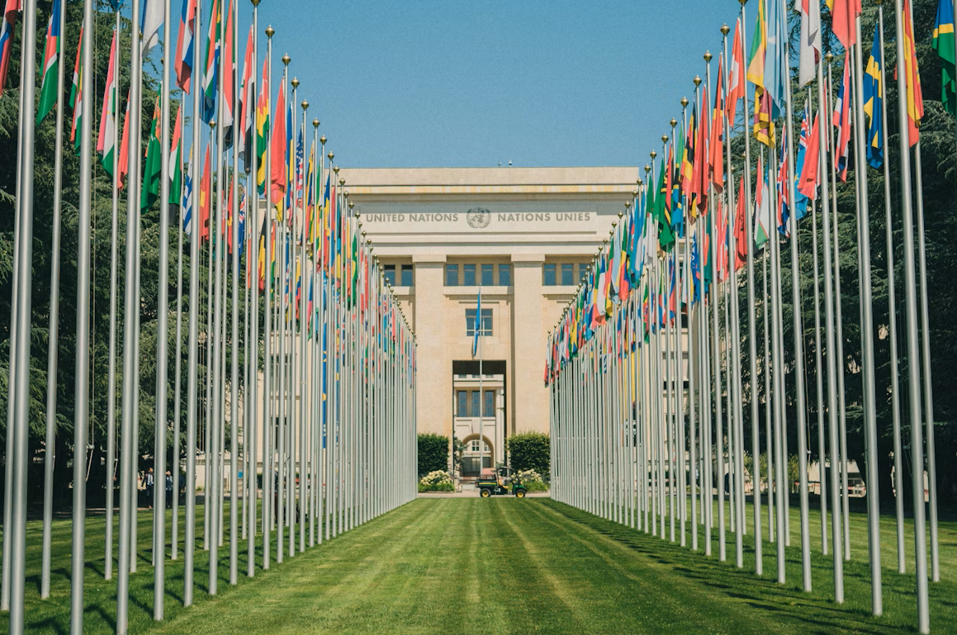
On 18 December 2025, the United Nations General Assembly adopted a resolution aimed at improving international coordination in efforts to combat trafficking in persons, reaffirming the need for a comprehensive and cooperative global response to one of the most pervasive forms of transnational organised crime.
Learn more
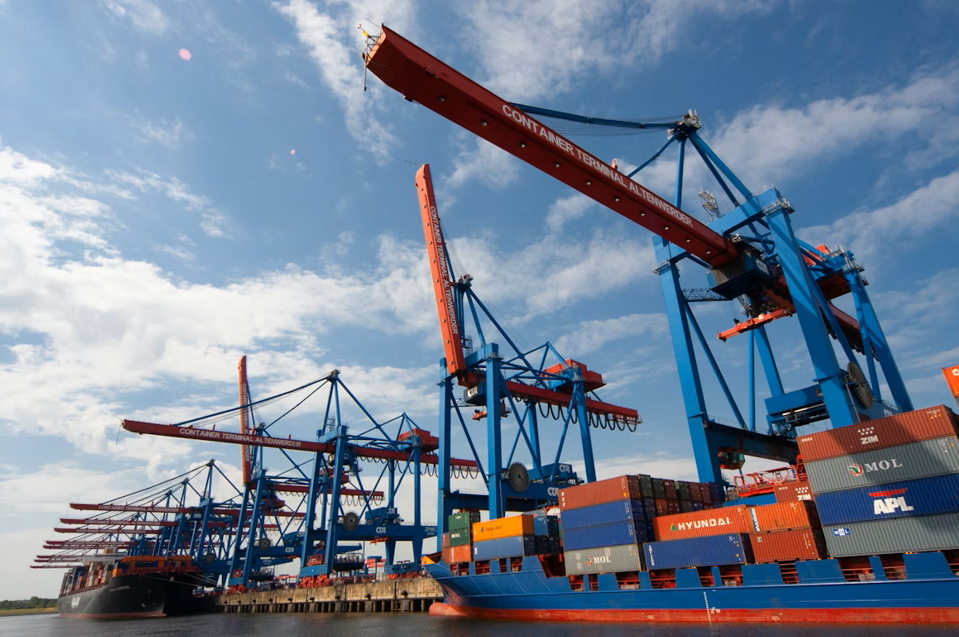
On 27 January 2026, India and the European Union (the “EU”) signed a free trade agreement (“FTA”), after over two decades worth of negotiations. The FTA, called by some as the “mother of all deals”, is the largest deal ever signed by these two parties. The FTA is expected to cover a market of over USD 24 trillion and aims to save over €4 billion per year in duties on European products.
Learn more
In January 2026, the United States formally completed its withdrawal from the World Health Organization (“WHO”) and announced its intention to withdraw from 66 total international organisations and multilateral bodies, including numerous United Nations-affiliated entities. The decision follows a broader governmental review assessing participation in international institutions against perceived U.S. national interests.
Learn more