
Published on 12 June 2023 in Client Alerts
Intensifying water stress has promoted increasing engagement by States around the world with the 1992 Convention on the Protection and Use of Transboundary Watercourses and International Lakes (“UN Water Convention”). On 22 March 2023, the Federal Republic of Nigeria (“Nigeria”) acceded to the UN Water Convention, becoming the Convention’s 48th Member State. It was followed soon after by the Republic of Iraq (“Iraq”), which acceded on 24 March 2023 as the Convention’s 49th Member State and its first from the Middle East, and more recently by the Republic of Namibia (“Namibia”), which acceded on 8 June 2023 as the 50th Member State.
Namibia is the first South African country to join the UN Water Convention. The accessions of Nigeria and Iraq are also notable, given Nigeria’s status as the most populous State in Africa and the acute water challenges facing Iraq and the Middle East.
More than 20 States, predominantly from Africa and Latin America, are currently working towards accession. They include the Republic of Panama, which appears set to become the UN Water Convention’s first Latin American Member State, and the Republic of Gambia, whose parliament has approved its accession.
First adopted in 1992 in Helsinki, the UN Water Convention originated as a pan-European regional instrument to manage shared waters equitably and sustainably. It entered into force in 1996 and has been open to worldwide membership since 2016, with the Republic of Chad and the Republic of Senegal becoming the first African Member States in 2018. At the recent UN Water Conference convened by the Governments of Republic of Tajikistan and the Kingdom of the Netherlands in March 2023, the UN Water Convention (acting through its official Secretariat) set an ambitious target of expanding its membership to cover half of all transboundary water-sharing States by 2030 (i.e., 77 of the 153 water-sharing States worldwide).
Among other things, the UN Water Convention requires Parties to prevent, control and reduce water pollution linked to transboundary impacts; to ensure use of transboundary waters in a reasonable and equitable way; and to ensure sustainable management of transboundary waters. It also confirms the importance for State actions to be guided by the “precautionary principle” under international environmental law, the principle of “polluter-pays” and by the principle that water resources “be managed so that the needs of the present generation are met without compromising the ability of future generations to meet their own needs” (UN Water Convention, Article 2(5)). The UN Water Convention sits alongside a significant broader network of regional water treaties, such as the 1960 Indus Waters Treaty; the 1964 Convention and Statutes Relating to the Development of the Chad Basin; the 1995 Mekong Agreement; and the 2000 Revised Protocol on Shared Watercourses in the Southern African Development Community.
The Saudi Council’s ministerial Resolution No. 468, published in the Official Gazette on 16 January 2026, approves the governance regulations for each of the Special Economic Zones (“SEZs”), the King Abdullah Economic City SEZ, Ras Al Khair SEZ, Jazan SEZ and Cloud Computing SEZ, originally launched on 13 April 2023.
Learn more
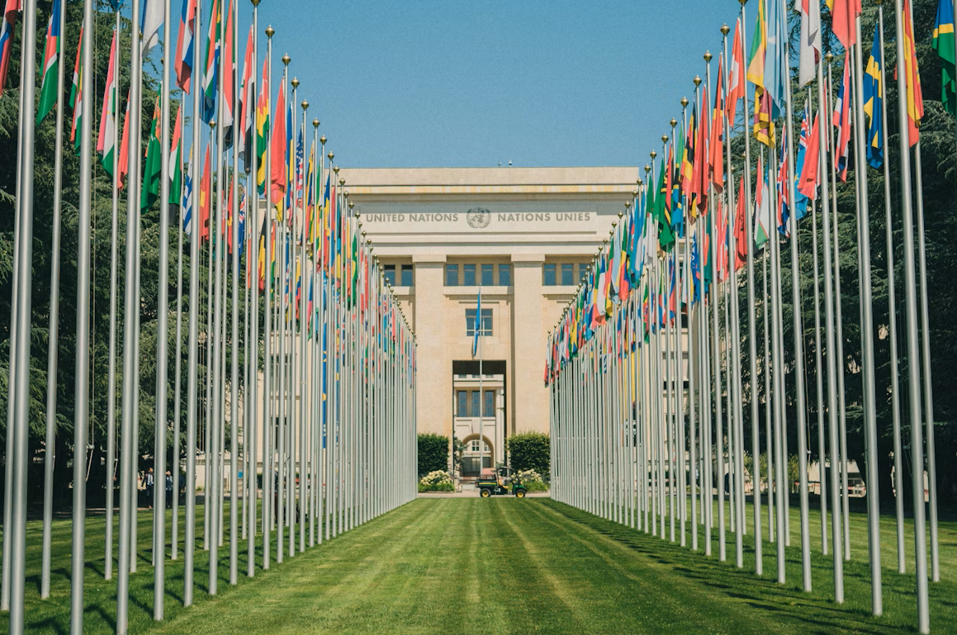
On 18 December 2025, the United Nations General Assembly adopted a resolution aimed at improving international coordination in efforts to combat trafficking in persons, reaffirming the need for a comprehensive and cooperative global response to one of the most pervasive forms of transnational organised crime.
Learn more
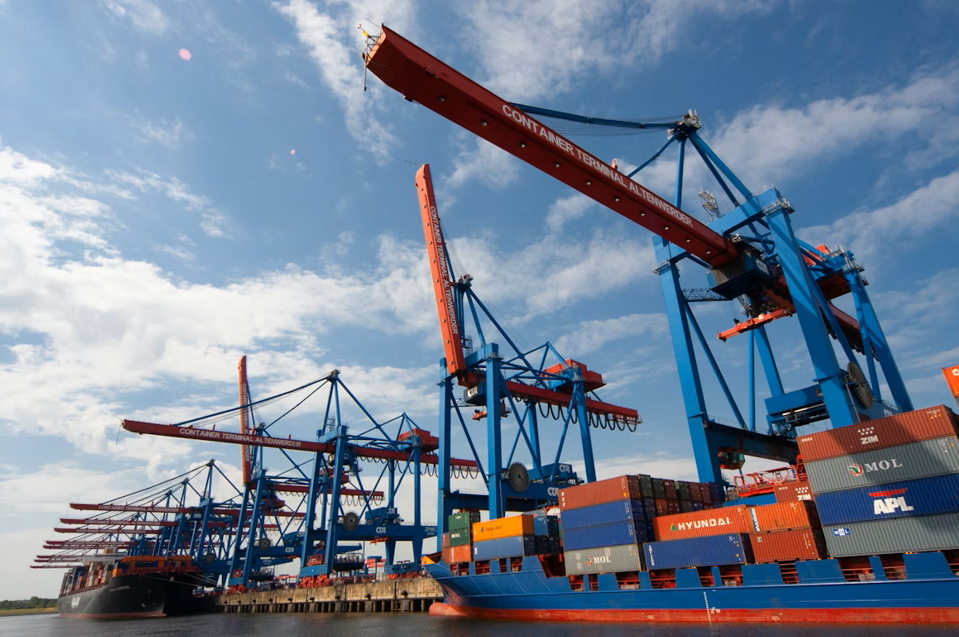
On 27 January 2026, India and the European Union (the “EU”) signed a free trade agreement (“FTA”), after over two decades worth of negotiations. The FTA, called by some as the “mother of all deals”, is the largest deal ever signed by these two parties. The FTA is expected to cover a market of over USD 24 trillion and aims to save over €4 billion per year in duties on European products.
Learn more
In January 2026, the United States formally completed its withdrawal from the World Health Organization (“WHO”) and announced its intention to withdraw from 66 total international organisations and multilateral bodies, including numerous United Nations-affiliated entities. The decision follows a broader governmental review assessing participation in international institutions against perceived U.S. national interests.
Learn more