Published on 6 September 2025 in Client Alerts
On 24 July 2025, the International Criminal Court (the “ICC”) convicted two former Central African Republic (“CAR”) militia leaders of multiple war crimes and crimes against humanity. The crimes took place in the context of the 2012-2014 CAR conflict between the Seleka and Anti-Balaka militia groups in Bangui, the CAR’s capital, and in the west of the CAR.
Patrice-Edouard Ngaïssona and Alfred Yekatom, leaders of the Anti-Balaka militia, were convicted of multiple crimes in connection with brutal attacks against predominantly Muslim civilians. The convictions marked the culmination of a trial at the ICC that first began in February 2021.
Mr Yekatom was convicted of multiple crimes committed in the context of the attack on Bangui; events at Yamwara, where he had established a militia base; and during the advance of his militia group on the PK9- Mbaïki axis. These included attacks against the civilian population as such, murder, forcible transfer and deportation, displacement, directing an attack against a building dedicated to religion, torture, cruel treatment, other inhumane acts, imprisonment and other severe deprivation of physical liberty, and persecution. The ICC sentenced him to 15 years’ imprisonment.
Mr Ngaïssona was convicted of aiding and abetting many of the same crimes: attacks against the civilian population as such, murder, forcible transfer and deportation, displacement, directing an attack against a building dedicated to religion, torture, cruel treatment, other inhumane acts, imprisonment and other severe deprivation of physical liberty, destruction of property and persecution. He was sentenced to 12 years’ imprisonment.
The convictions followed a nearly four-year trial involving over 170 witnesses and nearly 20,000 pieces of evidence. The prosecutors alleged that the two coordinated anti-Balaka militias targeting the Muslim population after the predominantly Muslim Seleka rebels seized power in 2013. Mr Ngaïssona, who also served briefly as CAR’s sports minister and was elected to the Confederation of African Football’s executive committee in 2018, was arrested in France in 2018 and transferred to the Hague in 2019. Mr Yekatom, a former MP, was arrested in 2018 after he fired a gun in parliament. Both men denied all charges throughout the proceedings.
For further information, please contact info@volterrafietta.com.
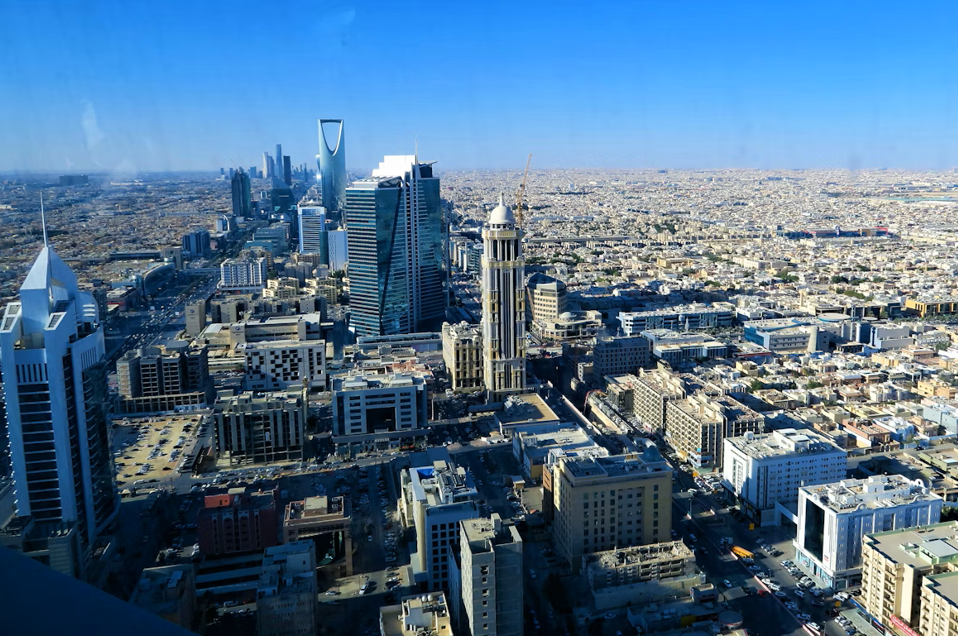
The Saudi Council’s ministerial Resolution No. 468, published in the Official Gazette on 16 January 2026, approves the governance regulations for each of the Special Economic Zones (“SEZs”), the King Abdullah Economic City SEZ, Ras Al Khair SEZ, Jazan SEZ and Cloud Computing SEZ, originally launched on 13 April 2023.
Learn more
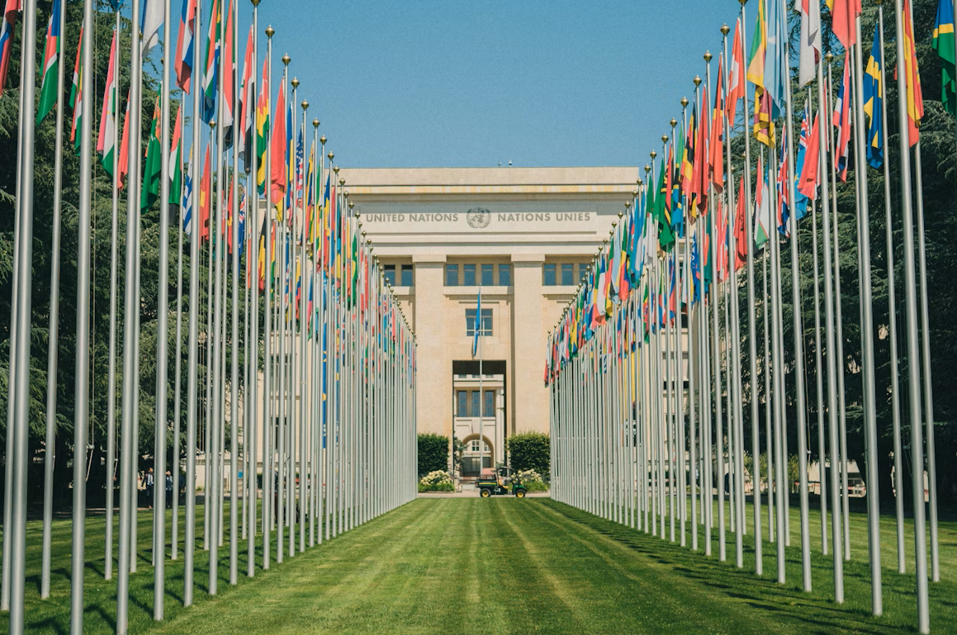
On 18 December 2025, the United Nations General Assembly adopted a resolution aimed at improving international coordination in efforts to combat trafficking in persons, reaffirming the need for a comprehensive and cooperative global response to one of the most pervasive forms of transnational organised crime.
Learn more
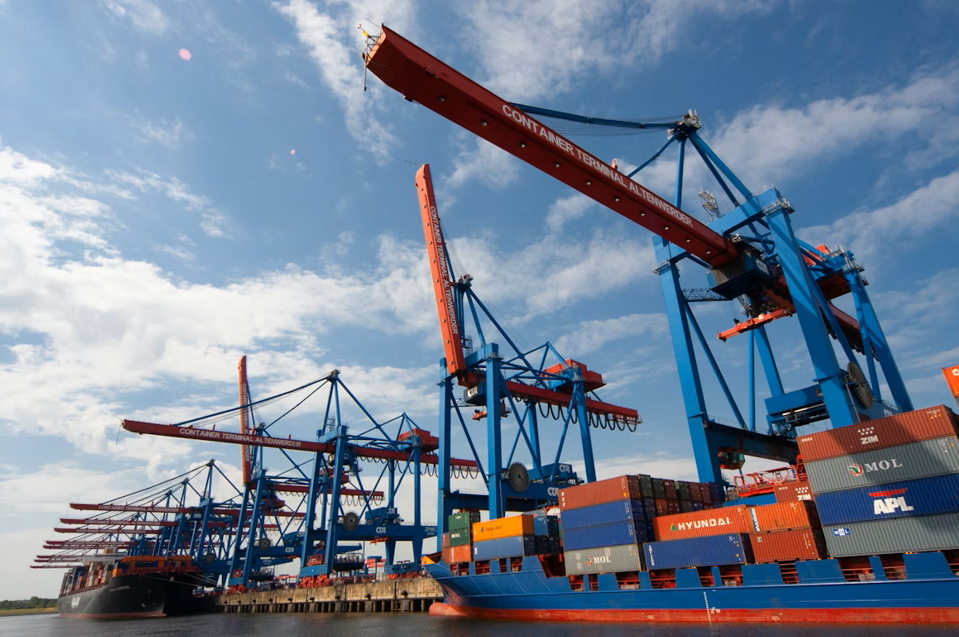
On 27 January 2026, India and the European Union (the “EU”) signed a free trade agreement (“FTA”), after over two decades worth of negotiations. The FTA, called by some as the “mother of all deals”, is the largest deal ever signed by these two parties. The FTA is expected to cover a market of over USD 24 trillion and aims to save over €4 billion per year in duties on European products.
Learn more
In January 2026, the United States formally completed its withdrawal from the World Health Organization (“WHO”) and announced its intention to withdraw from 66 total international organisations and multilateral bodies, including numerous United Nations-affiliated entities. The decision follows a broader governmental review assessing participation in international institutions against perceived U.S. national interests.
Learn more